
“Fix every problem at once” approach keeps minimum wage hike under cover
One of the key principles of marketing and advocacy is to craft a compelling message and say it over and over. That drumbeat approach keeps your message in people’s ears and eventually can allow your words to become the language of the debate — especially when they’re retweeted and reposted repeatedly on social media.
The overarching message in the campaign to raise the federal minimum wage is simple: Raise the minimum wage. Although the twitterverse is indeed filled with nearly constant mentions of the terms raise minimum wage, #raisethewage and #fightfor15, few of the tweets surveyed using Paraqeet during July were popularly retweeted. Also, dialogue surrounding the posts was often too off message to be effective in drumming up support.
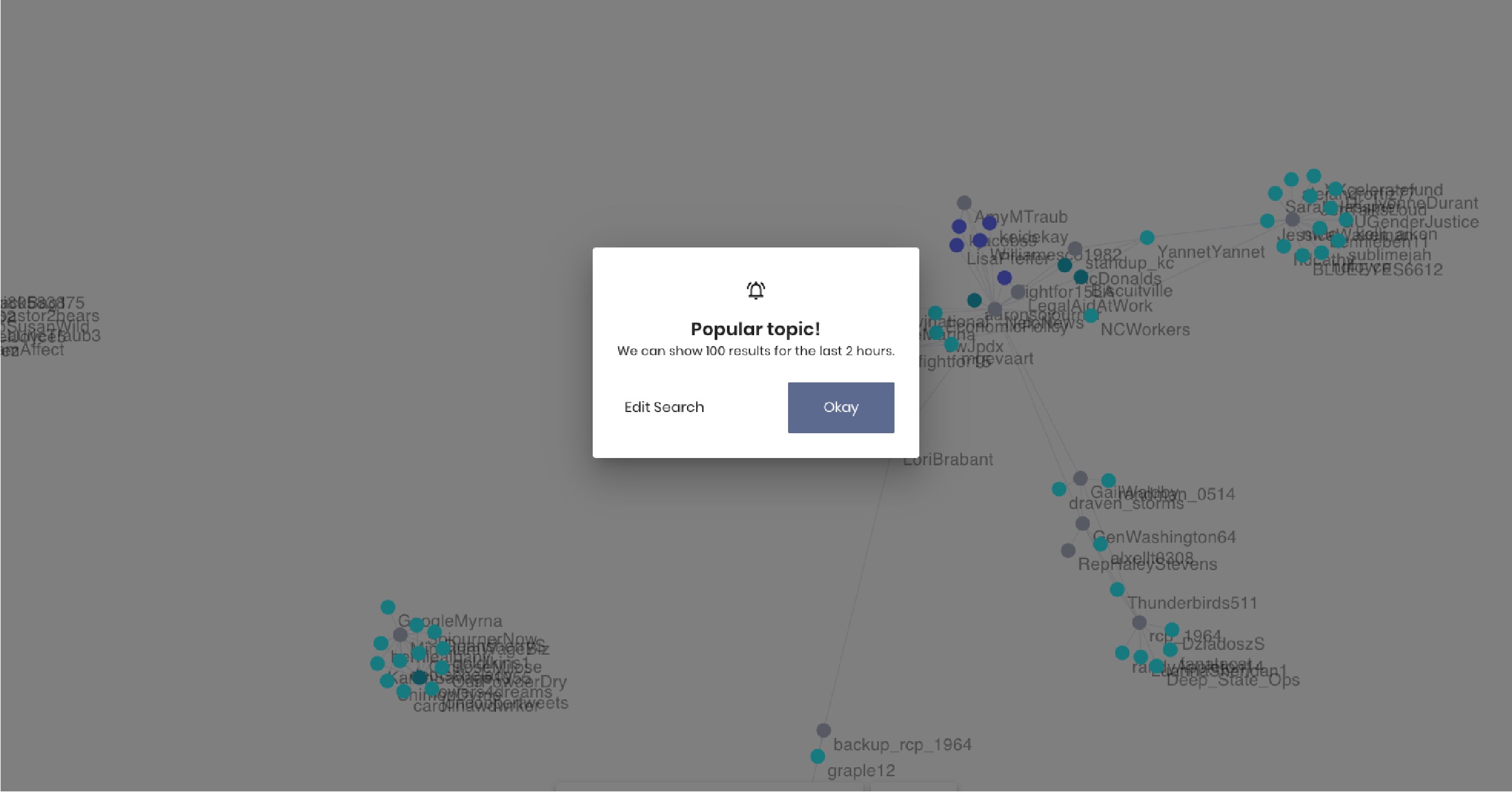
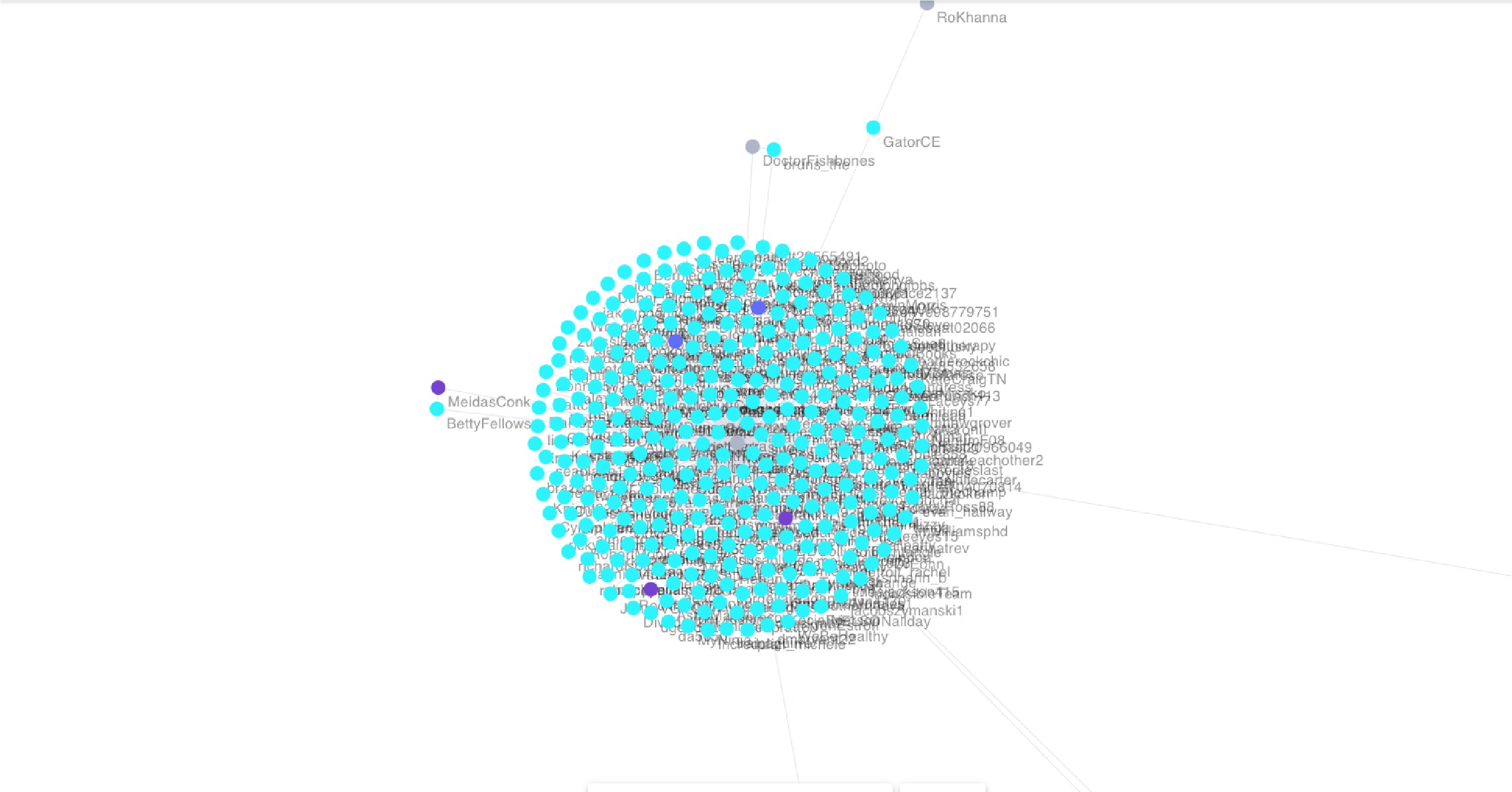
In comparing tweets from verified users (grasstop) and unverified users (grassroots) on the subject, the main message that stands out is that the message is muddled.
For instance, the No. 1 influencer under a “raise minimum wage” search was @RevDrBarber, president and senior lecturer at Repairers of the Breach. His post, retweeted 869 times, alerted users that people in DC on July 19 were being arrested for protesting to “end the filibuster, pass the For The People Act, fully restore the Voting Rights Act, and raise the federal minimum wage” to $15 an hour.
Given the wide range of topics, commenters complained they really should be fighting for a $23 wage or that the protesters’ free speech rights were being violated. Multiple commenters started side debates comparing this event and the Jan. 6 insurrection.
The No. 2 verified influencer was Ohio state Sen. Nina Turner. Her popular post — retweeted 3,417 times — was a year-by-year listing of the federal minimum wage rate, unchanged at $7.25.

Although the post was visually impactful and on point, ensuing comments were mostly complaints: You should be comparing it to CEO pay; this should be more specific that a small percentage of people actually earn the minimum wage; and the real problem is people making more than the minimum but less than $15.
Turner had little interaction in response and, while it engendered some support for her candidacy for the U.S. House of Representatives (she lost in the primaries on Aug. 3), little of the conversation encouraged supporters to take a specific action.
On July 24, an original champion of the movement, Bernie Sanders, tweeted, “Today marks 12 YEARS since the last increase in the federal minimum wage. Is it really a shock that a full-time worker making minimum wage in 2021 can’t afford rent ANYWHERE in the U.S.? It’s time to end starvation wages and raise the minimum wage to $15 an hour.”
Although this was retweeted 6,230 times, the conversation was all over the map. Some users showed support, others brought up “Medicare for All” and still others, amid a flood of comedian Larry David memes, criticized Sanders’ personal wealth and his inability to effect this change during his career. Just a few verified users such as Fight for 15 urged people to call their senators to “demand to know what their plan is to #RaiseTheWage.”
Unverified users were just as guilty about throwing everything but the kitchen sink into their demands to the point that even supporters seemed to recognize it. User @bourgeoisalien noted that in a few days, “6 million people will be evicted from their homes. Pelosi slammed student loan forgiveness, no raise in the minimum wage, no public option, and if you looked at twitter you’d think the biggest problem is Jimmy … Dore … can people focus for like 2 minutes.”
The Paraqeet search showed everyday Twitter users frequently ask in one post to end the filibuster, restore the Voting Rights Act, approve the For the People Act and raise the minimum wage. Other popular posts involved complaints about their personal wage stagnation or how everything else has increased in price but the minimum wage has not. Most of these posts had minimal amplification, got bogged down in other users debating the veracity of their citations and had no resonance with verified users in position to take action.
A sizable chunk of unverified users were organizations pressing for a minimum wage hike but, again, the specific message was lost, as in this tweet from the Thomas Merton Center asking supporters to call Sen. Pat Toomey to demand an end to the filibuster, passage of all provisions of the For the People Act, full restoration of the 1965 Voting Rights Act and a raise of the federal minimum wage to $15 an hour. It was retweeted a mere three times, liked by nine people and saw no engagement.
Even a post by a business group celebrating Delaware as the 10th state to raise the wage to $15 saw minimal action. The post by @MinimumWageBiz, a network of business owners and executives who believe in an increased minimum wage, got a mere 27 retweets, 69 likes and just one reply urging American workers to vote Republican.
This Paraqeet snapshot seems to show grassroots and grasstop advocates have not gelled around which issue to put a strong push behind. If all of the Twitter energy were directed at highlighting minimum wage workers and their struggles, and engaging policymakers to move them to action, perhaps the campaign could take root.
As it is, both the average Twitter user and the verified accounts are muddling a message about increasing the minimum wage with multiple other policy demands. In the end, no one’s messages seem to be getting through.